Rug Cleaning in Modern Homes: How to Keep Rugs Fresh, Safe, and Beautiful
Rugs do far more than cover a floor. They add warmth, texture, color, and comfort to every room they touch. They also collect dust, pet hair, pollen, food particles, and everyday spills faster than many people realize. That is why rug cleaning matters so much for both appearance and indoor health. Whether you have a delicate wool rug, a durable synthetic area rug, or a family heirloom with sentimental value, the right rug cleaning approach can extend its life and preserve its beauty.
Many homeowners search for rug cleaning after a stain appears, but regular care can prevent problems long before they start. The right routine helps maintain fiber strength, protect colors, reduce odors, and improve air quality inside the home. If you want your rugs to stay attractive and feel soft underfoot, understanding rug cleaning methods, common mistakes, and maintenance habits is essential.
In this article, you will learn practical rug care tips, when to choose professional rug cleaning, how different rug materials respond to cleaning, and what to expect from the process. You will also discover how rug cleaning services can be a smart investment for busy households, pet owners, and anyone who wants a healthier living space. Clean rugs can completely change the look and feel of a room.
Why Rug Cleaning Matters More Than Most People Think
Rugs act like filters. They trap dirt, crumbs, dust mites, allergens, and debris that would otherwise stay in the air or settle on furniture. While that may sound helpful, those trapped particles can build up quickly. Without proper rug cleaning, a rug can become dull, musty, and heavily soiled even if it looks fine on the surface.
Regular rug cleaning helps preserve the natural structure of the fibers. Dirt behaves like tiny sandpaper particles, grinding against the fibers each time someone walks across the rug. Over time, that friction can cause premature wear, flattening, and fading. A well-timed cleaning routine reduces this damage and keeps the rug looking newer for longer.
There is also a health benefit. Rug cleaning removes allergens and contaminants that can affect people with sensitivities. Homes with pets, children, or high foot traffic often need more frequent attention because rugs in these environments collect more soil and odor. For many households, routine rug cleaning becomes part of maintaining a cleaner, more comfortable home.
Understanding Different Rug Materials
Not every rug can be cleaned the same way. Material matters, and choosing the wrong method can lead to shrinkage, color bleeding, texture changes, or fiber damage. Before starting any rug cleaning process, it is smart to identify the material, backing, and construction of the rug.
Wool rugs are known for softness and durability, but they need careful treatment because wool can felt or shrink if cleaned with too much heat or harsh chemicals. Cotton rugs are often more forgiving, but they can still discolor if handled incorrectly. Synthetic rugs, such as nylon, polyester, and polypropylene, are usually more stain-resistant and easier to maintain, though they still benefit from deep cleaning.
Hand-knotted, hand-tufted, shag, oriental, antique, and silk rugs all require specialized attention. Rug cleaning for these types often involves gentler methods and careful drying. A professional rug cleaning provider will usually inspect the rug before choosing the right process. That inspection step can prevent costly mistakes and protect the rug’s value.
Common Signs Your Rug Needs Cleaning
Some rugs look clean even when they are carrying a significant amount of hidden dirt. Still, there are signs that tell you when rug cleaning is overdue. A visible dull appearance is often the first clue. Colors may look faded, patterns may seem less sharp, and the rug may lose its original softness.
Odors are another clear warning. If a rug smells stale, sour, or like pet accidents, it likely needs more than vacuuming. Spills that were not treated quickly can seep into the fibers and padding, creating lingering smells that regular surface cleaning cannot remove. In these cases, deeper rug cleaning methods are usually necessary.
You may also notice increased allergy symptoms, more visible dust after vacuuming, or flattened traffic areas in hallways and living rooms. If a rug feels sticky, stiff, or gritty underfoot, it has probably collected layers of soil. When a rug stops feeling fresh, it is time to act.
Signs to watch for
- Dull or faded appearance
- Persistent odors
- Visible stains or spots
- Excessive pet hair and dust
- Allergy flare-ups indoors
- Flattened high-traffic areas
Everyday Rug Care Habits That Make a Difference
Good rug cleaning does not start with a deep wash. It starts with prevention. Simple daily and weekly habits can reduce buildup and make professional cleaning last longer. Vacuuming regularly is one of the most effective ways to protect rugs, especially in entryways, living rooms, and family spaces.
Rotation is another underrated habit. Turning a rug every few months helps distribute wear more evenly and prevents one section from fading faster than the rest. Sunlight can also affect color, so rotating your rug can reduce uneven fading in rooms with lots of natural light. Rug care is often about small actions repeated consistently.
Quick spill response matters as well. The longer a spill stays in the fibers, the harder it is to remove. Blotting with a clean cloth, avoiding scrubbing, and using the right cleaning solution for the rug material can stop stains from setting. Even if a stain seems minor, quick action can reduce the need for intensive rug cleaning later.
Helpful maintenance habits
- Vacuum at least once or twice a week.
- Rotate rugs every few months.
- Use rug pads to reduce friction and slipping.
- Blot spills immediately rather than rubbing them.
- Shake out small rugs outdoors when appropriate.
- Schedule deep cleaning based on use and material.
DIY Rug Cleaning vs Professional Rug Cleaning
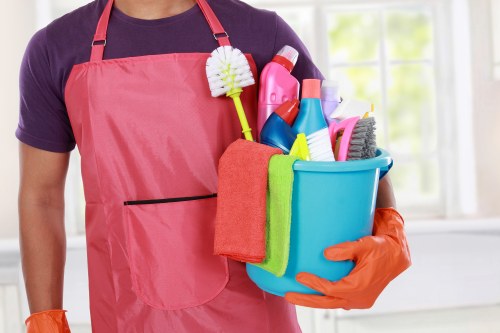
Many homeowners try DIY rug cleaning first, and in some situations that makes sense. Small spills, light dust, and surface dirt can often be managed with vacuuming, gentle blotting, and mild cleaning products. For everyday maintenance, DIY methods are practical and budget-friendly. Still, not every rug responds well to home cleaning attempts.
Professional rug cleaning offers benefits that are hard to match with store-bought products and rental equipment. Professionals use specialized tools, fiber-safe cleaning solutions, and controlled drying methods. They also understand how to treat different rug materials, including delicate and high-value pieces. When a rug has deep stains, odor problems, pet accidents, or years of buildup, professional help is often the safer choice.
The decision usually depends on the rug’s material, age, condition, and value. A synthetic rug in a playroom may be manageable with routine DIY care, while a handwoven wool or silk rug may require expert handling. Rug cleaning services are especially useful for large rugs, antique pieces, and homes with heavy traffic or pets.
When DIY may be enough
- Light dust and dirt
- Fresh, small spills
- Synthetic rugs with washable instructions
- Routine upkeep between professional visits
When professionals are better
- Delicate or antique rugs
- Persistent odors
- Deep or old stains
- Allergy-sensitive households
- Pet urine or water damage
How Professional Rug Cleaning Usually Works
Most professional rug cleaning processes begin with an inspection. The cleaner identifies the material, tests for color stability, checks for wear, and notes any stains, pet issues, or damage. This step is important because it shapes the entire cleaning plan. A proper inspection helps prevent color bleeding and fiber distortion.
Next comes dust removal. Rugs often hold dry soil deep inside the pile, so technicians may use specialized equipment to remove loose debris before washing. This stage is a major reason professional rug cleaning can produce better results than surface treatment alone. Removing dry particles first allows cleaning solutions to work more effectively.
After dust removal, the rug may be washed with a method suited to its fibers. Some rugs are immersion washed, while others are gently washed by hand or cleaned using low-moisture techniques. Once cleaning is complete, the rug is carefully rinsed and dried in a controlled environment. Drying is critical because trapped moisture can lead to odors, mildew, or shrinkage. Proper drying is just as important as the wash itself.
Typical professional steps
- Inspection and fiber testing
- Dry soil removal
- Pre-treatment for stains and odors
- Washing or deep cleaning
- Rinsing and moisture extraction
- Controlled drying
- Final grooming and quality check
Best Practices for Stain Removal
Stains are one of the most common reasons people seek rug cleaning help. Food, coffee, wine, pet accidents, ink, and mud can all leave marks that seem impossible to remove. The good news is that faster response and proper technique can dramatically improve results. The most important rule is to avoid scrubbing, because scrubbing can push the stain deeper into the fibers and spread it outward.
Instead, blot gently with a clean white cloth. Use a small amount of the correct cleaning solution, and test any product in an inconspicuous area first. Different stains require different treatment approaches, and a one-size-fits-all product may cause damage. For example, enzyme-based solutions are often helpful for organic stains, while grease may require a different approach entirely.
If the stain has already set, repeated treatment may be necessary. Older stains can become chemically bonded to fibers, making them much more difficult to remove. In those cases, professional rug cleaning is usually the best path. A trained cleaner can assess whether the stain is removable or if the rug’s dye and fiber structure need special handling. Patience and the right method matter more than force.
Stain removal tips
- Act quickly before the stain sets.
- Blot, do not rub.
- Use minimal moisture.
- Test products before applying widely.
- Avoid bleach unless a professional recommends it.
- Dry the area thoroughly after treatment.
The Role of Rug Cleaning in Allergy and Indoor Air Quality
Rug cleaning can have a noticeable effect on indoor air quality, especially in homes with carpeted rooms, pets, or seasonal allergies. Rugs trap dust, pollen, dander, and other particles that would otherwise circulate in the air. When that buildup becomes excessive, it can contribute to sneezing, irritation, and congestion.
Vacuuming helps, but it does not remove everything. Deep rug cleaning reaches deeper into the pile and lifts soil that standard vacuuming leaves behind. For allergy-prone households, this can create a fresher, cleaner-feeling environment. It can also reduce odors caused by bacteria or organic buildup. Cleaner rugs support a cleaner home overall.
Families with children and pets often benefit the most from a regular rug cleaning routine. Kids spend time playing on the floor, and pets naturally shed hair and dander. Keeping rugs clean supports a healthier space for daily living. That is one of the strongest reasons homeowners continue to invest in professional and routine care.
How Often Should Rugs Be Cleaned?
There is no single schedule that works for every household, but frequency should depend on traffic, material, and lifestyle. A rug in a formal room that sees little use may only need periodic cleaning. A rug in an entryway or family room may need far more frequent attention. Homes with pets or allergy concerns may require the most consistent care.
As a general rule, vacuum weekly and plan deep rug cleaning every 12 to 24 months for many standard rugs. High-traffic areas may need deeper cleaning sooner, while delicate rugs may need a more customized schedule. If spills, pet accidents, or odors occur, do not wait for the calendar. Clean sooner to prevent permanent damage. The best schedule is the one matched to real use, not just age.
Cleaning frequency by situation
- Low-traffic rooms: Deep clean every 18 to 24 months
- Busy family spaces: Deep clean every 12 months or sooner
- Homes with pets: More frequent spot treatment and periodic deep cleaning
- Allergy-sensitive homes: Vacuum regularly and deep clean on a tighter schedule
- Delicate antique rugs: Follow a material-specific care plan
Why Rug Pads and Placement Matter
Rug cleaning is only one part of long-term rug care. Placement and support also make a difference. A quality rug pad reduces slipping, protects the backing, absorbs some impact from foot traffic, and helps air circulate beneath the rug. This can slow down wear and make cleaning more effective because the rug is less likely to bunch or trap moisture against the floor.
Placement matters too. Rugs near doors, kitchens, or pet areas are exposed to more soil and moisture. Using mats, entry runners, or protective habits can reduce the amount of debris that reaches the rug in the first place. In sunny rooms, shifting the rug slightly or rotating it regularly can prevent uneven fading.
Rug cleaning works best when the rug is protected between washes. Think of cleaning as maintenance, not rescue. The more prevention you build into your routine, the longer your rug stays beautiful and the less often it needs intensive treatment.
Eco-Friendly Rug Cleaning Considerations
More homeowners are asking for greener cleaning methods, and that trend is growing for a good reason. Eco-friendly rug cleaning focuses on reducing harsh chemicals while still delivering strong results. This can be especially appealing in homes with kids, pets, or people sensitive to strong odors and residues.
Water-efficient methods, biodegradable solutions, and low-residue products can all play a role in greener cleaning. That said, eco-friendly does not mean weaker. The right approach still needs to remove soil, treat stains, and rinse fibers thoroughly. A good professional will balance safety, effectiveness, and the rug’s specific needs.
If sustainability matters to you, ask about cleaning solutions, drying practices, and waste reduction. Choosing a service that values responsible methods can align rug care with your household priorities. Cleaner rugs and smarter choices can go hand in hand.
How to Protect Your Investment After Cleaning
Once a rug has been professionally cleaned or thoroughly maintained at home, the next step is protecting the result. Many people notice that their rugs look fantastic right after cleaning, but the condition fades quickly if the same habits continue unchanged. Ongoing care keeps the rug looking better for longer.
One useful step is to set a simple care routine. Vacuum regularly, address spills immediately, and keep shoes off the rug when possible. Use mats in high-entry areas and trim pet nails to reduce snagging and abrasion. These small habits make a big difference in preserving the results of rug cleaning.
It is also wise to plan ahead for seasonal needs. In wetter months, rugs may collect more mud and moisture. During allergy season, dust and pollen can increase. Adjusting your care routine based on the time of year helps keep the rug cleaner and fresher throughout the year. Consistency is the real secret to long-lasting rug beauty.
Choosing the Right Rug Cleaning Service
Finding the right provider can make a major difference in outcomes. Not all rug cleaning services are equipped to handle every material or stain type. Look for a company that asks about rug material, construction, prior repairs, and problem areas before giving recommendations. That level of attention usually signals care and experience.
It is also helpful to choose a service that explains its process clearly. You should understand how the rug will be cleaned, how long drying will take, and what types of issues can realistically be improved. A trustworthy provider will not promise impossible results, but they should offer a thoughtful plan tailored to your rug.
When comparing options, pay attention to specialization, cleaning methods, and knowledge of delicate fibers. Rug cleaning is not a one-method task. The best results come from matching the process to the rug, not forcing the rug to fit the process. If you want results that protect appearance and value, take the time to choose carefully. Contact us today to explore professional care options that fit your rug’s needs, or book your service now to keep your rug looking its best.
Final Thoughts on Rug Cleaning
Rug cleaning is one of the simplest ways to protect your home’s comfort, cleanliness, and style. A clean rug brightens a room, supports healthier indoor air, and helps your investment last longer. Whether you prefer routine DIY care or professional cleaning, the most important thing is consistency.
By understanding your rug’s material, responding quickly to spills, and scheduling deep care at the right intervals, you can avoid many common problems. From stain removal to odor control and allergen reduction, every part of the process contributes to a better living environment. Rug cleaning is not just maintenance; it is part of creating a home that feels welcoming every day.
If your rug is starting to look tired, smell stale, or collect more dust than usual, now is a good time to act. Freshening your rug can transform the entire room, making it cleaner, more attractive, and more enjoyable to live in. Book your service now and give your rugs the care they deserve.