Regular Cleaning in Modern Spaces: Why Consistency Matters More Than Occasional Deep Cleans
Understanding the Value of Regular Cleaning
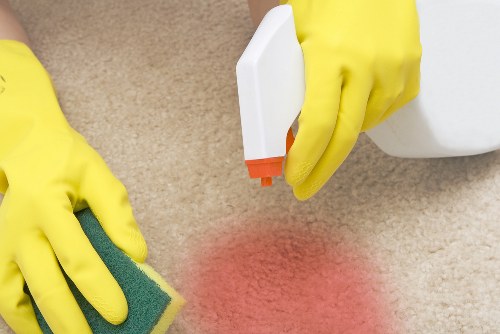
Regular cleaning is more than a surface-level chore; it is a practical routine that supports healthier living, better organization, and a more comfortable environment. Whether you are caring for a home, rental property, office, or shared facility, regular cleaning helps prevent dirt buildup, reduces allergens, and keeps everyday spaces looking presentable.
Many people wait until mess becomes obvious before taking action, but that approach often makes cleaning harder, more time-consuming, and less effective. A consistent schedule is easier to maintain and usually produces better results over time. It also creates a sense of order that people can feel as soon as they enter a room.
In today’s busy world, maintaining a tidy environment can improve focus, support wellness, and create a more welcoming atmosphere. That is why regular cleaning has become an essential part of modern property care, not just an optional habit.
Why Regular Cleaning Matters for Every Space
Every environment benefits from regular cleaning, but the reasons may differ depending on the space. In a home, it helps protect comfort and family health. In an office, it supports professionalism and productivity. In commercial spaces, it influences customer impressions and safety. Across all settings, cleanliness plays a major role in how a space functions.
One of the biggest advantages of regular cleaning is prevention. Dust, grime, and bacteria build up over time, and if left untreated, they can create bigger problems. Surfaces become harder to restore, odors become stronger, and equipment or fixtures may wear down more quickly.
Another major benefit is consistency. When cleaning tasks are handled in smaller, regular intervals, they become less overwhelming. Instead of facing a large, exhausting cleanup later, you can keep things manageable with simple routines that fit into daily or weekly schedules.
Health Benefits of Regular Cleaning
Health is one of the most important reasons people invest time in regular cleaning. Dust, pet dander, mold spores, pollen, and germs can accumulate quickly, especially in high-use areas. Regular maintenance reduces exposure to these irritants and supports a healthier indoor environment.
This is particularly valuable for households with children, older adults, pets, or anyone with allergies or respiratory concerns. Cleaner air and cleaner surfaces can help reduce sneezing, coughing, and other discomforts associated with poor indoor hygiene. Regular attention to floors, counters, bathrooms, and shared surfaces can make a real difference.
In shared and public settings, regular cleaning also helps reduce the spread of illness. High-touch points such as handles, switches, desks, and railings should be cleaned often to maintain a safer space for everyone.
Common health-focused tasks
- Dusting surfaces and corners to limit airborne particles
- Vacuuming carpets and rugs to remove allergens
- Disinfecting high-touch areas to reduce germ spread
- Cleaning bathrooms frequently to prevent bacteria buildup
- Washing bedding and linens to improve freshness
How Regular Cleaning Improves Appearance and Comfort
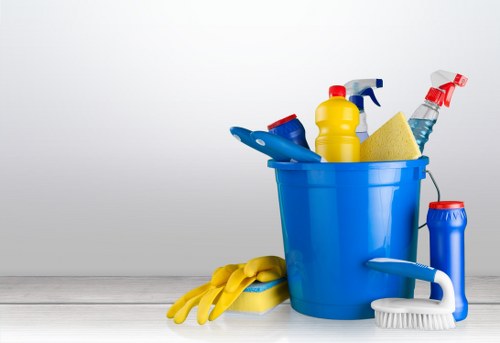
A clean environment simply feels better. Regular cleaning improves the appearance of any space by keeping dust, clutter, and stains under control. Rooms look brighter, surfaces appear newer, and the entire area feels more inviting.
Comfort is closely connected to visual order. When your surroundings are tidy, it becomes easier to relax, concentrate, and enjoy the space. This is true in bedrooms, kitchens, offices, retail stores, and many other settings. Clean spaces reduce distraction and create a sense of calm.
There is also a practical side to appearance. Regular upkeep helps preserve materials and finishes. Floors, countertops, upholstery, and appliances often last longer when they are cleaned properly and consistently, making regular cleaning an investment in maintenance as well as aesthetics.
Areas where appearance matters most
- Entryways and reception areas
- Kitchens and dining spaces
- Bathrooms and washrooms
- Workstations and desks
- Living rooms and common areas
Building an Effective Regular Cleaning Routine
Creating a successful regular cleaning routine begins with structure. Instead of trying to clean everything at once, divide tasks by frequency and priority. This makes the process manageable and ensures that important areas are never ignored.
A smart routine usually includes daily, weekly, and monthly responsibilities. Daily tasks might include wiping counters, taking out trash, and sweeping high-traffic areas. Weekly tasks might include mopping floors, cleaning bathrooms, and dusting furniture. Monthly tasks can focus on less visible areas such as vents, baseboards, and behind appliances.
The best routine is realistic. It should match the size of the space, the number of occupants, and the amount of activity the property receives. A small home may need a simpler plan, while a busy office or commercial location may benefit from professional support and a more detailed schedule.
Sample frequency breakdown
- Daily: clear clutter, wipe surfaces, sanitize touchpoints
- Weekly: vacuum, mop, clean mirrors, disinfect bathrooms
- Monthly: deep dusting, appliance cleaning, vent dust removal
- Seasonal: detailed storage cleaning, window care, upholstery refresh
Regular Cleaning in Homes: A Practical Approach
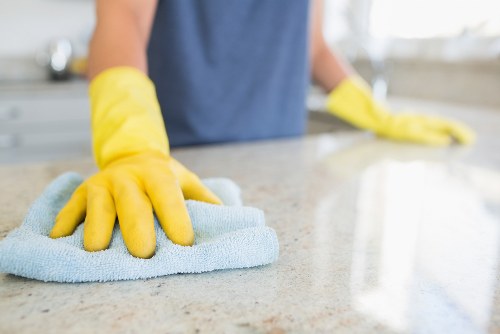
Homeowners and tenants often find that regular cleaning keeps household stress under control. A tidy home is easier to navigate, easier to maintain, and more enjoyable to live in. Small habits, when repeated consistently, create a noticeable difference in how a home feels day after day.
Kitchen cleaning is especially important because food preparation can create spills, grease, and crumbs that attract pests and cause odors. Bathrooms also require steady attention due to moisture, soap scum, and bacteria. Bedrooms benefit from dust removal, linen changes, and floor care. Living areas need frequent tidying to keep clutter from accumulating.
When families build routines together, regular cleaning becomes less of a burden and more of a shared responsibility. Children can help with age-appropriate tasks, and adults can divide more detailed work based on time and priority. This approach keeps the workload reasonable while teaching valuable habits.
Household tasks that make a big difference
- Wiping kitchen counters after meals
- Cleaning bathroom sinks and fixtures weekly
- Vacuuming carpets and rugs regularly
- Sorting mail and paperwork before clutter builds up
- Refreshing bedding and soft furnishings
Regular Cleaning in Offices and Workplaces
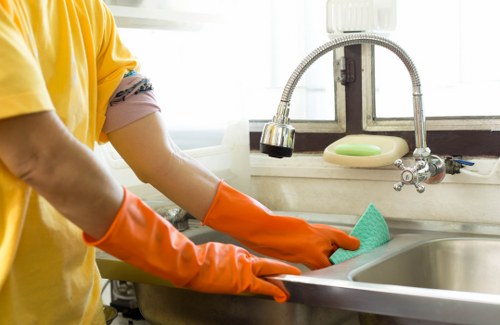
Workplace cleanliness has a direct effect on morale, productivity, and professionalism. Regular cleaning in offices helps employees stay focused, reduces sick days, and creates a more pleasant setting for clients and visitors. A clean office also reflects a company’s standards and attention to detail.
Shared workspaces often accumulate dust, fingerprints, food residue, and clutter very quickly. Desks, break rooms, restrooms, and reception areas should be maintained on a regular basis to keep the entire environment functional. In high-traffic business settings, consistency is especially important because one missed cleaning can quickly become noticeable.
Regular cleaning in a workplace also supports equipment longevity. Keyboards, monitors, chairs, and flooring can suffer from neglect if not cleaned properly. By maintaining a steady schedule, businesses protect their investment and preserve a cleaner, more organized atmosphere.
Common workplace cleaning priorities
- Sanitizing desks, tables, and shared equipment
- Emptying trash and recycling bins
- Cleaning restrooms and replenishing supplies
- Vacuuming floors and removing debris
- Keeping kitchens and break rooms sanitary
How Regular Cleaning Supports Long-Term Maintenance
One of the least discussed benefits of regular cleaning is its role in long-term property maintenance. Dirt and buildup do not just affect appearance; they can also damage surfaces, clog systems, and accelerate wear. When maintenance is ignored, small issues can turn into expensive repairs.
For example, neglected floors may lose shine, carpet fibers may deteriorate faster, and grime around fixtures can lead to staining or corrosion. In kitchens and bathrooms, moisture buildup can create mold risks and damage seals or grout. In offices, dust accumulation can affect electronics and ventilation performance.
By contrast, routine care keeps surfaces in better condition and makes it easier to spot early signs of trouble. Regular cleaning gives you a chance to notice leaks, cracks, damage, or unusual odors before they worsen. That makes it both a cleaning habit and a maintenance strategy.
Long-term benefits include
- Extended lifespan of surfaces and materials
- Lower likelihood of stubborn stains
- Reduced risk of mold and mildew growth
- Improved performance of appliances and equipment
- Fewer costly repair needs over time
Choosing the Right Cleaning Methods and Products
Not all cleaning methods are suitable for every surface. Effective regular cleaning depends on using the right tools, products, and techniques. Harsh chemicals can damage materials, while incorrect methods may leave residue or fail to remove buildup properly.
Microfiber cloths, vacuum cleaners with suitable attachments, gentle disinfectants, and appropriate mops are all useful in a regular routine. It is also important to follow product instructions carefully and test new cleaning solutions on small areas when needed. The goal is to clean effectively without causing unnecessary wear.
For environmentally conscious households and businesses, eco-friendly products can be a strong choice. They support regular cleaning while reducing harsh chemical exposure and minimizing environmental impact. The most effective choice often depends on the surface, the level of dirt, and the specific setting.
Tips for safer product use
- Read labels and use products as directed
- Store chemicals safely away from children and pets
- Use gloves when handling stronger cleaners
- Improve ventilation during cleaning tasks
- Choose products suited to each surface type
Making Regular Cleaning Easier to Sustain
The key to maintaining regular cleaning is consistency. If the routine feels too demanding, it becomes difficult to stick with. That is why many people succeed by starting small and building habits over time. Simple daily actions often make the biggest difference.
One effective strategy is to clean as you go. Wipe spills immediately, return items after use, and handle clutter before it spreads. Another helpful tactic is to assign cleaning zones or responsibilities so that no area is neglected. A visible checklist can also help keep everyone accountable and on track.
For busy households and workplaces, outsourcing some tasks can make sense. Professional cleaning support can fill the gaps, handle deep attention areas, and keep the overall standard high. Whether managed internally or with outside help, regular cleaning works best when the process is realistic and repeatable.
Practical habits that support consistency
- Use short daily cleaning windows
- Keep supplies in easy-to-reach locations
- Set reminders for weekly and monthly tasks
- Reduce clutter before it spreads
- Review and adjust the routine as needs change
When Professional Help Makes Sense
There are times when professional support is the best option for regular cleaning. Large properties, high-traffic spaces, and specialized surfaces may require more skill, equipment, or time than a basic routine can provide. Professional cleaners can help maintain standards and ensure nothing important is missed.
Businesses often rely on cleaning services to maintain offices, retail spaces, medical facilities, and other public environments. Homeowners may also request help for recurring maintenance, especially when schedules are busy or when a deeper level of consistency is needed. Professional assistance can be especially useful before events, after renovations, or during seasonal transitions.
Rather than replacing your routine, professional support usually complements it. Daily habits handle ongoing cleanliness, while expert service handles deeper work and detailed care. This layered approach makes regular cleaning more effective overall.
Situations that may call for expert support
- Large homes or busy commercial buildings
- Post-renovation dust and debris
- Recurring sanitation needs
- Deep-cleaning hard-to-reach areas
- Maintaining a high presentation standard
Regular Cleaning and Better Everyday Living
The impact of regular cleaning reaches far beyond appearance. It affects how people feel, how efficiently spaces operate, and how long materials last. Clean environments are easier to enjoy, easier to manage, and easier to improve over time.
Whether the setting is a home, workplace, or shared property, a regular routine helps prevent problems before they grow. It supports wellness, enhances comfort, and reduces the pressure of large cleanup jobs. Over time, the habit becomes part of a smoother, more organized lifestyle.
If you want a cleaner, healthier, more polished space, consistency is the key. Start with small steps, stay organized, and keep building momentum. Regular cleaning is one of the simplest ways to create a better environment every day.
Take the next step
Contact us today to improve your cleaning routine, or Book your service now if you want dependable support for ongoing maintenance and spotless results.