Office Cleaning in Modern Workplaces: Clean Spaces, Healthier Teams, Better Impressions
Office cleaning plays a much bigger role in business success than many people realize. A clean workplace is not only about appearance; it directly affects employee morale, client perception, hygiene, productivity, and even long-term maintenance costs. Whether you manage a small startup, a shared workspace, or a large corporate office, office cleaning helps create an environment where people can focus, feel safe, and perform at their best.
In today’s competitive business world, the condition of your office can influence how your brand is perceived. Dusty desks, cluttered common areas, and neglected restrooms can quietly damage trust, while polished surfaces, fresh air, and organized spaces send a strong message of professionalism. That is why office cleaning has become an essential part of workplace management rather than a task to handle only when problems appear.
For businesses of all sizes, consistent office cleaning supports health, reduces distractions, and helps preserve furniture, flooring, electronics, and shared equipment. It also contributes to a more pleasant atmosphere, which can improve employee satisfaction and make visitors feel welcome. From daily tidying to scheduled deep cleaning, a smart approach to office cleaning offers benefits that extend far beyond the surface.
 Why Office Cleaning Matters for Every Business
Office cleaning is often viewed as a basic operational expense, but it is better understood as an investment in workplace performance. When desks, meeting rooms, kitchens, and reception areas are maintained properly, employees spend less time dealing with clutter and more time doing meaningful work. Clean surroundings can also reduce stress and create a calmer, more organized mindset throughout the day.
Another major reason office cleaning matters is health. Offices are shared environments, which means germs and allergens can spread quickly on high-touch surfaces such as door handles, keyboards, switches, and breakroom counters. Regular cleaning and disinfection help limit the spread of illness, which can reduce absenteeism and keep teams working consistently. In colder months or during periods of increased viral activity, this becomes even more important.
Office cleaning also affects how clients, partners, and job candidates perceive your company. A bright reception area and well-maintained workspace communicate care, attention, and reliability. On the other hand, visible dust, stained carpets, or dirty restrooms can create doubts about professionalism. In many cases, people form a lasting impression within seconds, and workplace cleanliness is part of that judgment.
The Business Value of a Clean Workplace
There are practical financial benefits as well. Regular office cleaning helps protect carpets, upholstery, flooring, and office furniture from premature wear. It can also reduce the need for expensive restorative work by addressing dirt and buildup before they become deeply embedded. A consistent cleaning routine often extends the life of valuable office assets.
Clean offices are easier to manage, easier to maintain, and easier to enjoy. That simple idea explains why many businesses now treat office cleaning as an essential part of their overall workplace strategy. Whether handled in-house or by professional cleaners, the goal is the same: a healthier, more productive, and more polished environment.
When employees arrive in a clean office, they start the day with a better mindset, and that can influence everything from collaboration to customer service.
 Common Office Cleaning Tasks That Keep Workspaces Running Smoothly
Office cleaning covers far more than emptying trash bins and wiping desks. A complete service usually includes a range of daily, weekly, and periodic tasks designed to keep the workplace hygienic and orderly. These tasks may vary depending on office size, industry, and traffic levels, but most workplaces benefit from a structured cleaning plan.
Daily office cleaning often focuses on visible and high-use areas. This may include vacuuming or sweeping floors, sanitizing shared surfaces, cleaning restrooms, removing waste, and tidying kitchen or break areas. These routine tasks prevent mess from building up and help keep the office feeling fresh throughout the week.
Weekly or scheduled office cleaning may involve deeper attention to areas that do not need constant service but still require regular care. Examples include polishing glass, dusting vents and shelves, mopping hard floors, cleaning interior windows, and refreshing upholstery or carpets. Depending on the type of business, some offices also schedule specialized cleaning for conference rooms, server areas, or reception spaces.
Typical Office Cleaning Checklist
- Dusting desks, shelves, and workstations
- Vacuuming carpets and rugs
- Mopping and sanitizing hard floors
- Cleaning and disinfecting restrooms
- Wiping shared kitchen appliances and counters
- Emptying bins and recycling containers
- Cleaning door handles, switches, and high-touch points
- Maintaining reception and meeting areas
Some businesses also request add-on services such as window cleaning, floor stripping and waxing, deep carpet cleaning, and post-construction cleanup. These services are especially helpful for offices with heavy foot traffic, frequent events, or special maintenance needs.
Effective office cleaning is not random; it follows a plan that matches the real rhythm of the workplace. The best results come from a routine that balances daily essentials with periodic deep care.
By identifying the tasks that matter most, companies can create cleaner spaces without wasting time or money on unnecessary work. This structured approach makes office cleaning more efficient and more consistent over time.
 How Office Cleaning Supports Employee Wellness and Productivity
There is a strong connection between office cleaning and employee well-being. Clean, organized environments tend to support better focus, fewer distractions, and a greater sense of control. When people do not have to worry about dusty surfaces, overflowing bins, or unpleasant odors, they can direct their energy toward their actual responsibilities.
Office cleaning also helps reduce physical discomfort caused by allergens and poor air quality. Dust buildup, mold in neglected damp areas, and dirty carpets can contribute to respiratory irritation or allergy flare-ups. Regular cleaning removes many of these triggers and helps maintain a more comfortable indoor environment for staff and visitors.
Productivity can improve simply because a clean office makes work easier to find and manage. A tidy desk or meeting room can reduce time spent searching for documents, supplies, or equipment. Organized surroundings often lead to organized thinking, which is one reason many companies prioritize office cleaning as part of their operational culture.
Clean Spaces and Mental Clarity
Psychologically, cluttered or dirty workspaces can create low-level stress. Even when people are not consciously focused on the mess, their brains register disorder and may find it harder to relax or concentrate. A well-maintained office reduces that background noise and can help employees feel more settled.
Office cleaning is not just about hygiene; it is also about creating a workplace where people can think clearly and work confidently.
Wellness Benefits of Regular Office Cleaning
- Lower exposure to germs on common surfaces
- Reduced allergens from dust and debris
- Better air freshness and overall comfort
- Improved morale and job satisfaction
- Less time lost due to preventable sickness
Businesses that invest in office cleaning often notice that staff members take more pride in their surroundings. That pride can influence behavior: people are more likely to keep shared spaces neat, respect common equipment, and maintain a cleaner office culture overall.
A healthy office is not created by one cleaning session; it is built through consistent routines and thoughtful upkeep.
 Choosing the Right Office Cleaning Approach for Your Workplace
Not every office needs the same cleaning solution. A law firm, a medical practice, a tech startup, and a co-working space all have different traffic patterns, hygiene expectations, and workflow needs. The right office cleaning approach depends on office size, business type, budget, and how often the space is used.
Some organizations prefer in-house cleaning teams because they want full control over scheduling and procedures. Others hire professional office cleaning providers for their expertise, equipment, and flexibility. Both models can work well when managed properly. The key is to build a system that matches the demands of the office.
Professional office cleaning services are especially useful for businesses that need consistency and specialized care. Experienced cleaners know how to handle different surfaces, use appropriate products, and clean efficiently without disrupting operations. They can also scale services up or down as the business changes.
Factors to Consider When Planning Office Cleaning
- Office size and layout
- Number of employees and visitors
- Type of flooring and furniture
- Industry-specific hygiene requirements
- Cleaning frequency needed for high-traffic zones
- Availability of after-hours or daytime cleaning
- Need for deep cleaning or specialty services
Businesses should also think about which areas need the most attention. Reception spaces, restrooms, kitchen areas, and shared meeting rooms usually require more frequent office cleaning than low-traffic storage rooms or private offices. A custom plan helps direct resources where they have the most impact.
Another important consideration is communication. If a company uses an external cleaning provider, clear expectations help avoid confusion. Cleaning schedules, task lists, and quality standards should be documented so everyone understands what office cleaning includes and how results will be measured.
The best office cleaning strategy is one that is practical, predictable, and aligned with your workplace needs. When the plan is tailored properly, the office stays cleaner for longer and day-to-day operations run more smoothly.
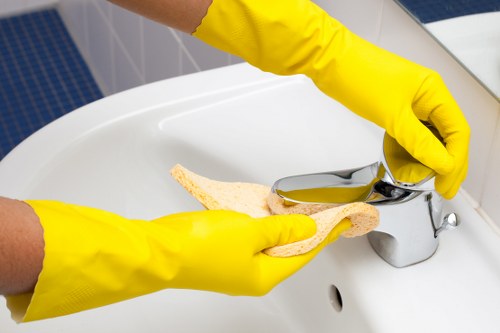 Deep Cleaning, Daily Cleaning, and Seasonal Maintenance
Effective office cleaning often relies on a layered approach. Daily cleaning handles the immediate needs of the workplace, while deep cleaning addresses buildup that routine maintenance may not remove. Seasonal maintenance adds another level of care by responding to weather changes, peak traffic periods, or special business events.
Daily office cleaning is the backbone of a tidy workplace. It keeps surfaces presentable, removes waste, sanitizes commonly touched areas, and prevents dirt from accumulating. This type of service is especially important in busy offices where constant foot traffic quickly creates messes. Without daily attention, small issues can become bigger and harder to manage.
Deep cleaning goes further by targeting hidden grime and neglected areas. It may include shampooing carpets, cleaning behind furniture, disinfecting vents, scrubbing grout, or polishing hard floors. Many businesses schedule deep office cleaning quarterly or semi-annually, depending on how heavily the space is used.
Seasonal Office Cleaning Priorities
- Spring: dust removal, window cleaning, and freshening air systems
- Summer: sanitizing common areas and maintaining cooling-related dust buildup
- Autumn: preparing entryways for increased debris and moisture
- Winter: controlling salt, slush, and extra indoor contamination
Seasonal changes can affect office cleanliness more than many businesses expect. Wet shoes, mud, pollen, and increased indoor activity all contribute to faster buildup. By adjusting office cleaning routines throughout the year, companies can stay ahead of these challenges.
Regular cleaning keeps the office looking good, but deep and seasonal cleaning keep it performing well.
For many organizations, a combination of daily upkeep and periodic deep office cleaning offers the best balance of cost and results. It keeps the workplace consistently presentable while also protecting long-term cleanliness standards.
When office cleaning is planned in layers, each level supports the next and the entire workplace benefits.
Best Practices for Maintaining a Cleaner Office Every Day
Even with professional office cleaning, everyday habits matter. Employees play a major role in keeping the workplace orderly, and small actions can make a meaningful difference. Encouraging shared responsibility helps maintain a better environment between cleaning visits and reduces the chance of bigger messes developing.
One of the simplest best practices is keeping personal work areas organized. Employees who regularly clear paperwork, wipe their desks, and store items properly make office cleaning easier and more effective. Shared spaces also benefit from simple etiquette, such as cleaning up after meals, returning supplies, and respecting common equipment.
Office managers can support cleanliness by creating easy-to-follow standards. For example, labeling recycling bins, providing disinfecting wipes near shared tools, and setting expectations for meeting room use all make a difference. When the office is designed to support clean behavior, it becomes easier for people to maintain tidy habits naturally.
Practical Habits That Support Office Cleaning
- Clear desks at the end of the day
- Wipe spills immediately
- Keep kitchen areas free from leftover food
- Return shared items after use
- Use storage systems for paperwork and supplies
- Report maintenance issues early
Communication is also important. If employees know what is expected of them and what the cleaning team covers, there is less overlap and fewer neglected tasks. This partnership between staff and cleaners creates a stronger overall office cleaning culture.
Businesses can also support cleanliness through layout choices. Easy-to-clean flooring, covered waste bins, hand sanitizer stations, and limited clutter in walkways all help reduce mess and improve efficiency. The easier an office is to maintain, the more likely it is to stay clean over time.
Small Steps, Big Results
Good office cleaning is supported by good daily habits. Even small actions, repeated consistently, can have a major impact on the overall appearance and hygiene of the workplace. Cleanliness becomes easier to sustain when everyone contributes.
Why Professional Office Cleaning Delivers Strong Results
Professional office cleaning providers bring skills, tools, and systems that can be difficult to match internally. They understand how to clean different surfaces safely, how to work efficiently in active environments, and how to deliver reliable results across a wide range of office conditions. That expertise can save time while improving quality.
Many businesses choose professional office cleaning because it reduces the burden on employees and managers. Instead of assigning cleaning tasks to staff who already have full workloads, companies can rely on trained specialists. This helps preserve employee focus and ensures cleaning is done thoroughly and consistently.
Professional cleaners also tend to use commercial-grade supplies and equipment that produce better results than standard household products. From high-powered vacuums to specialized disinfectants and floor care systems, the right tools can make office cleaning faster and more effective. That advantage is especially valuable in larger offices or high-traffic environments.
Benefits of Hiring Experienced Office Cleaners
- Reliable cleaning schedules
- Better sanitation on shared surfaces
- Reduced disruption to the workday
- Access to specialized cleaning equipment
- Improved consistency across all office areas
- Scalable services for changing business needs
Another benefit is quality control. Professional office cleaning providers often follow checklists, supervision routines, and service standards that improve consistency. That means fewer missed details and a higher chance that the office will look and feel clean every time.
For business owners focused on growth, outsourcing office cleaning can also free up time for more strategic priorities. Instead of worrying about whether the restrooms were cleaned properly or whether the carpets need attention, leadership can focus on operations, customer service, and long-term planning.
Professional office cleaning helps businesses maintain high standards without adding unnecessary pressure to internal teams. It is a practical choice for organizations that value reliability, appearance, and hygiene.
Office Cleaning and Brand Image: The Silent Sales Tool
Brand image is shaped by many details, and office cleaning is one of the most visible. Clients, vendors, investors, and job applicants often notice the condition of a space before they notice the marketing materials or even the products on offer. A clean office supports the idea that a business is careful, organized, and trustworthy.
This matters in both formal and informal settings. A spotless lobby can reinforce a company’s professional identity, while a clean conference room can create a better atmosphere for discussions and decision-making. Even behind the scenes, office cleaning contributes to how people experience the company as a whole.
In industries where trust is essential, such as finance, healthcare, law, or consulting, office cleaning can reinforce credibility. A clean environment suggests that the business pays attention to detail, follows standards, and respects the people who enter the space. That impression can influence client confidence and even hiring decisions.
Cleanliness as Part of Customer Experience
Customer experience begins at the door. Smudged glass, unpleasant odors, or dusty surfaces can distract from the service experience and create a negative mood. In contrast, fresh, bright, and orderly spaces help people relax and focus on the conversation or service at hand.
Office cleaning is part of how a brand communicates quality without saying a word.
That silent message is powerful because it works continuously. Every day, every visitor, and every employee interaction reinforces what the office represents. A consistently clean workplace strengthens that message and can support long-term brand value.
For businesses that want to stand out, office cleaning is not a detail to overlook—it is part of the experience.
Creating an Office Cleaning Plan That Works
A successful office cleaning plan should be clear, realistic, and flexible. It should account for the way the office is used, the times of highest traffic, and the areas that need the most frequent attention. Without a plan, cleaning becomes reactive and inconsistent, which can quickly lead to issues.
The best plans usually start with a space assessment. This means identifying key zones such as entrances, desks, restrooms, kitchens, meeting rooms, and shared equipment areas. Once the high-priority spaces are defined, cleaning frequency can be assigned based on need. This makes office cleaning more efficient and easier to manage.
It is also important to set measurable standards. For example, a business may expect restrooms to be sanitized daily, carpets vacuumed every evening, and meeting rooms reset after use. Clear expectations support accountability and help ensure that office cleaning remains consistent across the entire workplace.
Steps for Building an Effective Cleaning Routine
- Assess the office layout and traffic patterns
- Identify high-priority cleaning zones
- Choose daily, weekly, and monthly tasks
- Decide whether to use in-house or professional cleaners
- Review supplies, equipment, and access needs
- Monitor quality and adjust the plan as needed
Communication and review should happen regularly. As businesses grow, relocate, or change their work patterns, office cleaning needs may shift as well. A flexible plan can adapt without losing quality or increasing unnecessary costs.
Most importantly, the plan should support both cleanliness and convenience. When office cleaning fits smoothly into the business schedule, employees are less disrupted and results are easier to maintain.
Final Thought
Office cleaning is one of the simplest ways to support health, productivity, and professionalism in any workplace. A clean office helps employees feel better, gives visitors a stronger first impression, and supports the long-term care of the space itself. Whether you need daily upkeep, deep cleaning, or a tailored commercial cleaning schedule, the value is clear.
Book your service now and make office cleaning a strong part of your workplace standards. If your goal is a more organized, welcoming, and efficient environment, contact us today to take the next step toward a cleaner office.