Deep Cleaning in Modern Homes: What It Is, Why It Matters, and How to Do It Right
Deep cleaning is more than a quick tidy-up or a routine wipe-down. It is a thorough, detailed approach to removing dirt, dust, grime, and buildup from every corner of a home or workspace. While regular cleaning helps maintain day-to-day order, deep cleaning reaches the spots that often get overlooked: behind appliances, under furniture, inside cabinets, around fixtures, and along baseboards. For homeowners, renters, landlords, and busy families, deep cleaning plays a major role in maintaining a healthier, fresher, and more comfortable environment.
Many people search for deep cleaning services when they notice stubborn buildup, lingering odors, or a home that simply no longer feels fresh. Others schedule deep cleaning seasonally, before special events, after renovations, or when moving in or out of a property. No matter the reason, the goal is the same: create a cleaner space that looks better, feels better, and supports better living. In today’s fast-paced world, deep cleaning in homes has become an essential part of property care.
What makes deep cleaning so valuable is not only the visual transformation but also the health benefits. Removing allergens, bacteria, dust mites, and hidden grime can make a noticeable difference in indoor air quality and overall comfort. Whether you prefer to handle the work yourself or book a professional service, understanding the process helps you make better decisions and get better results.
What Is Deep Cleaning?
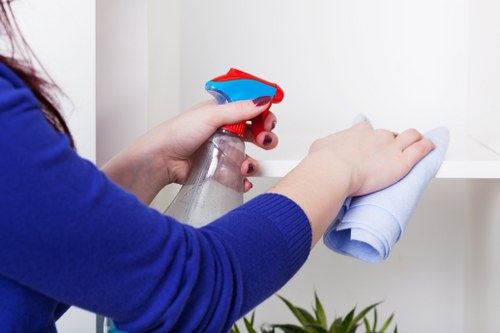
Deep cleaning is a thorough cleaning process that goes beyond everyday maintenance. It targets areas that are often ignored during routine cleaning, such as vents, corners, grout lines, light switches, cabinet interiors, and appliance surfaces. Unlike standard cleaning, which usually focuses on visible surfaces, deep cleaning removes accumulated residue and grime from hidden or hard-to-reach areas.
In practical terms, deep cleaning means paying attention to details. A regular clean might involve vacuuming floors and wiping counters, while a deep clean can include scrubbing tile grout, sanitizing sinks, cleaning inside the oven, dusting ceiling fans, washing door frames, and moving furniture to clean underneath. The difference is significant, especially in homes with children, pets, or heavy foot traffic.
Deep cleaning services are often customized based on the condition of the property and the client’s priorities. Some homes need kitchen and bathroom deep cleaning, while others need an all-room refresh. In every case, the purpose is to restore a space to a higher level of cleanliness and hygiene.
Why Deep Cleaning Matters
Deep cleaning is not just about appearance. It has practical, health-related, and long-term maintenance benefits. A home that is deeply cleaned feels fresher, smells cleaner, and becomes easier to maintain afterward. Dust and buildup do not disappear on their own, and the longer they sit, the harder they are to remove. That is why deep cleaning is so important for keeping a property in top condition.
One of the biggest advantages is improved indoor hygiene. Surfaces that are touched frequently, like handles, switches, countertops, and faucets, can collect germs over time. Kitchens and bathrooms are especially important areas because they are exposed to moisture, food particles, and bacteria. A proper deep cleaning routine helps reduce these issues and creates a safer environment.
There is also a strong aesthetic benefit. Even a well-kept home can start to feel dull if dust accumulates in unnoticed areas. Deep cleaning revives the space, brightens surfaces, and creates a polished look. For property owners preparing a home for sale or rent, this can make a powerful impression on potential buyers or tenants.
Signs Your Home Needs Deep Cleaning
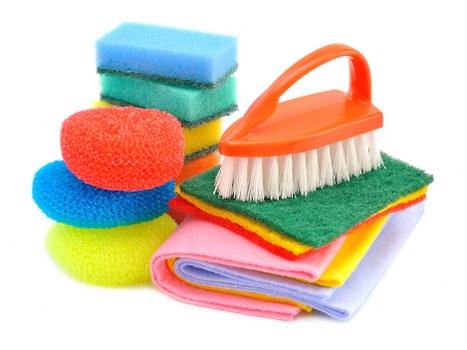
Many homeowners are unsure when to schedule deep cleaning, but several signs make it obvious. If your home still feels dirty shortly after regular cleaning, it may be time to go beyond basic maintenance. Lingering odors, dusty vents, discolored grout, or grease buildup are all common indicators.
Another sign is hidden dirt in places you normally do not clean. For example, if the tops of cabinets, the back of the refrigerator, or the edges of baseboards have visible grime, the home likely needs a more detailed approach. Deep cleaning often reveals how much buildup has been missed during standard routines.
Other indicators include increased allergy symptoms, sticky surfaces, dull floors, or a general feeling that the home is cluttered and stale. When these issues begin to affect comfort, house deep cleaning becomes less of a luxury and more of a necessity.
Rooms That Benefit Most from Deep Cleaning
Every room in a home can benefit from deep cleaning, but some areas need special attention because they collect more dirt, grease, or moisture. Kitchens and bathrooms are usually the top priorities, followed by living rooms, bedrooms, entryways, and laundry areas. Each space requires a slightly different strategy.
In kitchens, deep cleaning often includes degreasing surfaces, cleaning inside appliances, wiping cabinet fronts, sanitizing sinks, and removing buildup from tile or backsplash areas. In bathrooms, the focus is usually on scrubbing tubs, showers, toilets, sinks, fixtures, mirrors, and grout lines. These rooms are used daily, so grime and bacteria can accumulate quickly.
Living rooms and bedrooms may seem cleaner, but they often hide dust in furniture, curtains, vents, upholstery, and under beds. Entryways and hallways collect dirt from shoes, while laundry spaces can gather lint, detergent residue, and moisture-related buildup. A thorough deep cleaning plan should address all of these areas for the best results.
Deep Cleaning Tasks by Area
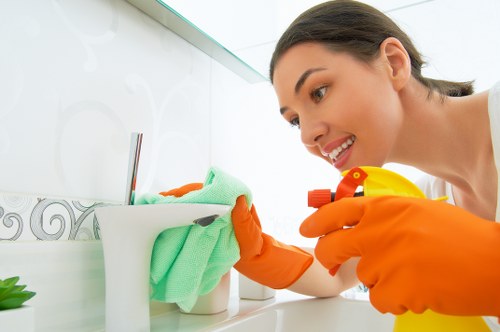
Understanding the tasks involved in deep cleaning helps you plan better and avoid missing important details. A room-by-room checklist is one of the easiest ways to stay organized. It also helps determine whether you can handle the work yourself or need professional support.
Here is a practical breakdown of common deep cleaning tasks:
- Dusting ceiling fans, light fixtures, and vents
- Wiping baseboards, doors, and trim
- Cleaning inside and behind appliances
- Scrubbing sinks, tubs, showers, and toilets
- Sanitizing countertops, handles, and switches
- Vacuuming under furniture and along edges
- Cleaning windows, blinds, and sills
- Removing buildup from grout, tile, and corners
These tasks may sound simple, but together they create a dramatic improvement. The more detailed the process, the more noticeable the results. A successful deep cleaning service is not rushed; it focuses on precision, consistency, and thoroughness.
Deep Cleaning vs Regular Cleaning
It is easy to confuse deep cleaning with regular cleaning, but the two serve different purposes. Regular cleaning is about maintenance. It keeps surfaces usable, floors tidy, and clutter under control. Deep cleaning, on the other hand, is about restoration and detail. It reaches areas that routine cleaning does not normally address.
For example, regular cleaning may include mopping floors, wiping counters, and emptying trash bins. Deep cleaning goes further by lifting furniture, washing walls, removing soap scum, and cleaning inside cabinets. It is a more intensive process that takes more time, more effort, and often more specialized tools or products.
Both are important. Regular cleaning preserves daily order, while deep cleaning in homes helps prevent buildup and long-term wear. When combined, they create a cleaner and more manageable living environment.
Benefits of Deep Cleaning for Health and Comfort
A clean home is more than a pleasant place to live; it also supports better health. Dust, pet dander, pollen, and other allergens can settle in fabrics, vents, carpets, and corners. Deep cleaning removes many of these irritants, which can be especially helpful for people with allergies or respiratory sensitivities.
Another key benefit is odor control. Over time, smells from food, pets, garbage, moisture, and everyday use can settle into surfaces and fabrics. A proper deep cleaning helps eliminate these odors at the source instead of temporarily masking them. This creates a fresher and more welcoming atmosphere.
Comfort also improves when the home feels truly clean. Sparkling surfaces, freshly vacuumed floors, and sanitized bathrooms contribute to a sense of calm and order. For many households, deep cleaning is a reset that makes daily life feel easier and more enjoyable.
How Often Should Deep Cleaning Be Done?
The right schedule depends on the size of the home, the number of occupants, lifestyle habits, and whether pets or children are present. In general, many homes benefit from deep cleaning every three to six months. However, some spaces need it more often, especially high-traffic homes or properties exposed to dust, grease, or moisture.
Seasonal deep cleaning is a popular option because it aligns well with changes in weather and household routines. Spring and fall are especially common times to tackle detailed chores. Before holidays, after moving, or after construction work, a more immediate deep cleaning service may be needed.
Rather than waiting until buildup becomes overwhelming, many homeowners schedule regular deep cleaning as part of their long-term maintenance plan. This approach saves time, reduces stress, and keeps the home in better condition year-round.
Should You DIY or Hire Professionals?
One of the most common questions people ask is whether deep cleaning should be done personally or by professionals. The answer depends on the scope of the job, available time, and the level of detail required. Some people are comfortable handling smaller deep cleaning tasks on their own, while others prefer to book your service now and let trained cleaners manage the entire process.
DIY deep cleaning can be effective for lighter jobs or routine upkeep between professional visits. It works well if you have a checklist, the right cleaning products, and enough time to complete the tasks properly. However, it can be physically demanding and time-consuming, especially for larger homes or heavily used spaces.
Professional deep cleaning services often bring efficiency, experience, and specialized tools. They know how to tackle tough buildup, sanitize problem areas, and work systematically through each room. If your goal is a high-level clean with minimal hassle, hiring experts may be the better choice.
Best Practices for Effective Deep Cleaning
Whether you clean yourself or hire help, a few best practices can improve the outcome. The first is to start from the top and work downward. Dust and debris fall as you clean, so it makes sense to begin with ceilings, fixtures, and upper shelves before moving to furniture and floors.
Another smart approach is to work room by room. This prevents distractions and helps you stay organized. It also makes the progress more visible, which can be motivating. Use the right tools for the task, such as microfiber cloths, scrub brushes, vacuum attachments, and non-abrasive cleaners where needed.
Consistency matters. A good deep cleaning is detailed, but maintaining the results afterward is just as important. Small weekly habits, such as wiping baseboards, cleaning behind sinks, and dusting vents, can reduce the need for extra-heavy cleaning later.
Tools and Products That Help
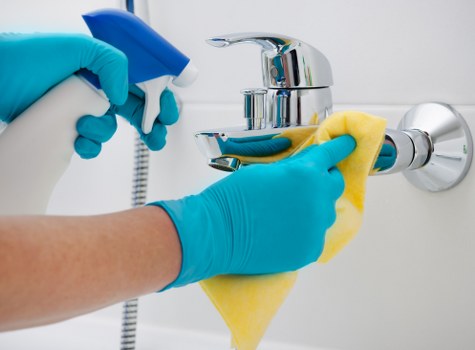
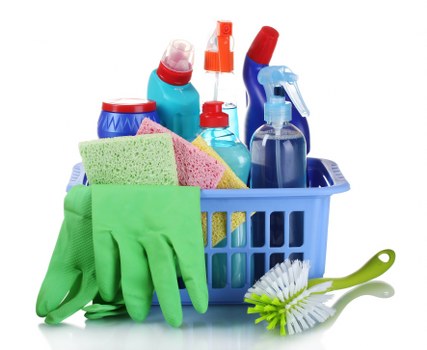
Having the right supplies makes deep cleaning much easier. While not every home needs the same products, a basic kit can help you cover most tasks effectively. Quality tools also save time and prevent unnecessary damage to surfaces.
Useful items often include:
- Microfiber cloths for dusting and wiping
- Scrub brushes for grout and stubborn spots
- Vacuum cleaners with attachments
- Mops suitable for hard floors
- Disinfecting sprays and multi-surface cleaners
- Glass cleaner for mirrors and windows
- Baking soda and vinegar for certain buildup issues
Always check product labels before use, especially on delicate surfaces. Some materials need gentle formulas, while others can handle stronger solutions. Choosing the right tools is a key part of effective deep cleaning in homes.
How Deep Cleaning Supports Property Value
Deep cleaning can also have a meaningful impact on property value and presentation. A well-maintained home looks more attractive to potential buyers, tenants, or guests. Clean floors, polished fixtures, and spotless surfaces create an impression of care and quality.
This matters especially during real estate showings, open houses, or rental turnovers. A property that feels fresh and well-kept is easier to market and easier to move. Even small details, like clean baseboards or gleaming tile, can influence how people perceive the space.
For landlords and property managers, regular deep cleaning services can also help preserve finishes and extend the life of surfaces. That means less wear, fewer complaints, and better long-term value.
Deep Cleaning for Special Situations
There are times when a normal cleaning routine simply is not enough. After renovations, for example, dust can settle everywhere, including air vents, countertops, shelves, and floor corners. In these cases, deep cleaning is essential for removing fine debris and restoring the space to a livable condition.
Move-in and move-out cleaning are another common need. A new home should feel fresh and sanitary before anyone settles in, while a vacated home should be cleaned thoroughly for the next occupant. These situations often require extra attention to appliances, cupboards, bathroom fixtures, and hidden corners.
Homes with pets, smokers, or frequent guests may also need a more frequent and intensive approach. In every special situation, the goal remains the same: eliminate buildup, improve hygiene, and restore comfort through careful deep cleaning.
How to Maintain Results After Deep Cleaning
Once a home has been deeply cleaned, it is important to protect the results. The best way to do that is by building a simple maintenance routine. Small daily or weekly habits can reduce mess and prevent dirt from returning too quickly.
For example, wipe spills immediately, dust high-touch surfaces regularly, vacuum traffic areas often, and keep bathrooms dry after use. In kitchens, clean as you cook to prevent grease and crumbs from building up. In bedrooms, wash bedding routinely and rotate furniture cleaning tasks into your schedule.
Maintenance is the secret to keeping deep cleaning results longer. The less buildup you allow to accumulate, the easier it becomes to keep your home looking and feeling clean.
Common Mistakes to Avoid
Even with good intentions, some people make mistakes that reduce the effectiveness of deep cleaning. One common issue is rushing through the process. Deep cleaning requires attention to detail, and skipping steps usually means dirt will remain in hidden spots.
Another mistake is using the wrong cleaning product for the surface. Harsh chemicals can damage wood, stone, fabric, or delicate finishes. It is also important not to forget the less obvious areas, such as under furniture, behind toilets, around drains, and on top of cabinets.
Finally, many people clean in the wrong order or stop too early. A successful deep cleaning follows a plan, covers every important area, and finishes with a full inspection to make sure nothing has been missed.
Why Deep Cleaning Is Worth It
At first glance, deep cleaning may seem like a lot of work. It can take time, energy, and planning. But the payoff is worth it. A cleaner home is healthier, more pleasant, and easier to maintain. It creates a better environment for family life, hosting, working from home, and everyday relaxation.
There is also peace of mind in knowing that the hidden parts of the home have been addressed. When dust, grime, and buildup are removed, the entire space feels renewed. That is why so many people choose deep cleaning as part of their seasonal, pre-event, or recurring home care routine.
If your home feels overdue for a reset, now is the perfect time to take action. Contact us today to learn more about deep cleaning options, or book your service now and enjoy a fresher, cleaner living space sooner.
Final thought: Deep cleaning is one of the most effective ways to protect your home, improve comfort, and maintain a healthier environment. Whether done occasionally or on a regular schedule, it delivers results that are easy to see and feel. With the right approach, the benefits of deep cleaning last long after the work is finished.