End of Tenancy Cleaning in
Why End of Tenancy Cleaning Matters for Renters and Landlords

End of tenancy cleaning is one of the most important tasks at the end of a rental agreement. Whether you are a tenant preparing to move out or a landlord getting a property ready for the next occupants, a spotless property can make a major difference. In many cases, end of tenancy cleaning helps protect deposits, reduce disputes, and create a smoother transition between tenants.
For tenants, the goal is simple: leave the property in the same condition it was in at the start of the tenancy, allowing for fair wear and tear. For landlords and letting agents, a professional end of tenancy cleaning service helps present the property at its best, improving the chances of quick re-letting. In a competitive rental market, first impressions matter, and a sparkling home sends the right message immediately.
There is also a practical side to this type of cleaning. Kitchens, bathrooms, appliances, carpets, skirting boards, and hidden corners often collect grime over time. A standard clean is usually not enough when moving out. That is why many people turn to specialised end of tenancy cleaning services that focus on deep cleaning every room from top to bottom.
What Is End of Tenancy Cleaning?

End of tenancy cleaning is a deep and detailed cleaning process carried out when a tenant moves out of a property. It is much more thorough than routine housekeeping or even a weekly deep clean. The purpose is to restore the home to a presentable condition and meet the standards usually expected by landlords, estate agents, and inventory clerks.
This type of cleaning often includes areas that are commonly missed during regular cleaning schedules. These may include behind kitchen appliances, inside cupboards, around taps, under furniture, inside ovens, and along door frames. The focus is on making the property look and feel fresh, hygienic, and ready for inspection.
It is important to understand that end of tenancy cleaning is not about redecorating or repairing damage. Instead, it is about cleaning the property thoroughly enough that it reflects normal living use rather than neglect. When done properly, it can help avoid deductions from a security deposit and reduce disagreements over property condition.
Why End of Tenancy Cleaning Is Essential
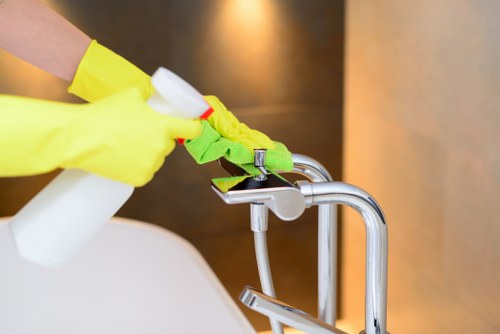
There are several reasons why end of tenancy cleaning should be a priority at the end of a lease. First, it helps tenants fulfill their responsibilities under the tenancy agreement. Many rental contracts include clauses that require the property to be returned in a professionally cleaned condition.
Second, it helps landlords and letting agents prepare the home for new occupants quickly. A well-cleaned property is easier to market and can reduce vacancy periods. A fresh and hygienic space also creates a positive viewing experience for prospective tenants, which is valuable for rental success.
Third, it supports better deposit outcomes. Disputes often arise when a property is left with built-up dirt, stains, or grime. Professional end of tenancy cleaning can provide evidence that the home was cleaned to a high standard. In many cases, having a receipt for professional cleaning can also help with deposit negotiations.
Rooms That Need Special Attention
Kitchen Cleaning
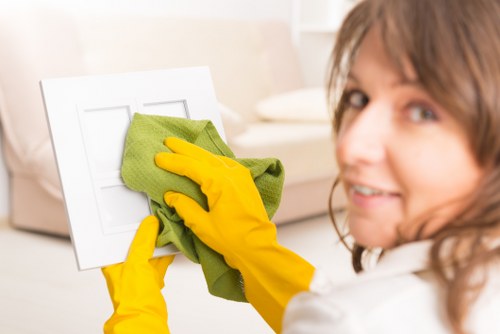
The kitchen is usually the most demanding part of end of tenancy cleaning. Grease, food residue, and appliance build-up can make this room particularly challenging. Ovens, hobs, extractor fans, sinks, worktops, cupboards, tiles, and floors all need detailed attention.
Inside the oven is often a major focus because it can collect baked-on grease over months or years. The same applies to refrigerators, microwaves, and dishwashers. Even the smallest crumbs in cupboards can create an untidy impression during inspection. A professional approach to end of tenancy cleaning ensures every surface is carefully handled.
To achieve the best result, it helps to follow a structured order:
- Remove all food and packaging from cupboards and drawers
- Degrease surfaces and appliances
- Clean inside and outside of cabinets
- Wash tiles, splashbacks, and sinks
- Disinfect handles, switches, and high-touch points
Bathroom Cleaning

The bathroom is another key area in end of tenancy cleaning. Limescale, soap scum, mould, and watermarks can quickly make the room look neglected. Toilets, bathtubs, showers, mirrors, taps, and grout lines all need careful cleaning to restore a fresh finish.
A professional cleaner will usually pay close attention to the shower screen, drain covers, sink plugholes, and around fixtures where dirt often settles. Bathroom floors, vents, and skirting boards should also be cleaned thoroughly. When these details are overlooked, they can make an otherwise tidy property feel unfinished.
Because bathrooms are high-moisture areas, hygiene matters as much as appearance. Effective end of tenancy cleaning helps remove odours, minimise bacteria, and improve the overall presentation of the home. This is especially important in properties with hard water, which can leave visible marks on glass and fittings.
Living Areas, Bedrooms, and Hallways
General Cleaning Focus
While kitchens and bathrooms usually need the most effort, living rooms, bedrooms, and hallways still require a full clean. Dust can settle on shelves, window sills, skirting boards, radiators, and light fittings. Floors may need vacuuming and mopping, while doors and frames can collect fingerprints and marks over time.
End of tenancy cleaning in these rooms often includes wiping down wardrobes, clearing cobwebs, polishing mirrors, and cleaning inside storage spaces. Carpets may need stain treatment or steam cleaning, especially if the tenancy has lasted for a long period. If the property contains furniture, it is important to clean underneath and behind items that were not moved regularly.
One of the simplest ways to make these spaces look refreshed is to focus on overlooked surfaces. Cleaning vents, switches, picture rails, and window tracks can make a surprisingly large difference. A well-executed end of tenancy cleaning plan treats every area with equal care so that the whole property feels renewed.
What Is Usually Included in End of Tenancy Cleaning?
Although different providers may offer slightly different packages, a standard end of tenancy cleaning service usually includes a wide range of tasks designed to cover the whole property. The exact checklist can depend on the size, condition, and layout of the home.
Common tasks often include:
- Deep cleaning kitchens, including appliances
- Cleaning bathrooms and removing limescale
- Vacuuming and mopping all floors
- Dusting and wiping all accessible surfaces
- Cleaning skirting boards, doors, and frames
- Cleaning internal windows and sills
- Removing cobwebs from ceilings and corners
- Cleaning cupboards inside and out
- Polishing fixtures, taps, and mirrors
Some services may also offer extras such as carpet cleaning, upholstery cleaning, mattress cleaning, or balcony washing. These add-ons can be useful if the property needs a stronger finish before final inspection. When choosing end of tenancy cleaning, it is worth checking exactly what is included so expectations are clear.
How to Prepare for End of Tenancy Cleaning
Before the Cleaning Begins
Preparation plays a major role in achieving successful end of tenancy cleaning. Before you start, remove all personal belongings, rubbish, and leftover food. The more empty the property is, the easier it will be to clean hidden areas and access every corner.
It also helps to do a quick walkthrough and identify any obvious problem spots. Stains on walls, marks on carpets, and limescale build-up should be noted early so they can be addressed in a sensible order. If you are hiring a professional cleaner, this preparation allows them to focus on the real deep-cleaning work rather than spending time clearing clutter.
Some useful preparation steps include:
- Pack and remove all personal items
- Defrost the freezer if needed
- Empty cupboards and drawers
- Dispose of old food and rubbish
- Check tenancy terms for cleaning requirements
DIY vs Professional End of Tenancy Cleaning
Which Option Is Better?
Many tenants wonder whether to clean the property themselves or book a professional end of tenancy cleaning service. Both options have advantages, but the right choice depends on time, budget, and the expected cleaning standard.
DIY cleaning may save money upfront, and it can work well if the property is small, the condition is good, and the tenant has the tools and time to complete the work properly. However, end of tenancy cleaning is time-consuming and physically demanding. It often requires specialist products, strong attention to detail, and a clear understanding of what landlords and agents expect.
Professional cleaning, on the other hand, offers convenience and consistency. Cleaners who specialise in end of tenancy cleaning know where inspections usually focus and how to deal with stubborn dirt. For busy tenants, families, or anyone moving under time pressure, hiring help can be a smart investment.
How End of Tenancy Cleaning Supports Deposit Recovery
One of the biggest reasons people invest in end of tenancy cleaning is to improve the chance of getting the full deposit back. Deposit deductions are often linked to cleanliness issues such as grease, mould, dust, stains, and leftover waste. A property that has been cleaned thoroughly is less likely to trigger a dispute.
Landlords and agents typically compare the final condition of the property with the inventory report from the start of the tenancy. If the home appears significantly dirtier or neglected, deductions may be made to cover cleaning costs. By ensuring a high standard of cleanliness, tenants reduce the risk of avoidable charges.
It is also worth noting that some cleaning problems can be mistaken for damage when they are actually just heavy dirt. For example, a dirty oven or stained bathroom sealant may look worse than it is. Proper end of tenancy cleaning can remove these issues and help distinguish between cleaning needs and genuine repair concerns.
Common Mistakes to Avoid
Simple Errors That Can Cause Problems
Even with good intentions, people often make mistakes during end of tenancy cleaning. One common error is focusing only on visible surfaces and ignoring hidden places. Under beds, behind appliances, and inside cupboards are all areas that can be checked during inspection.
Another mistake is leaving the job too late. Moving day is already stressful, and trying to clean a whole property at the last minute can lead to rushed work and missed details. Starting early gives you time to work room by room and correct any issues before handover.
Other mistakes include using the wrong cleaning products, failing to remove limescale properly, forgetting light fittings and vents, and neglecting carpets or upholstery. A well-planned end of tenancy cleaning routine avoids these problems and produces a better result overall.
Useful End of Tenancy Cleaning Checklist
Having a checklist is one of the easiest ways to stay organised during end of tenancy cleaning. It ensures no room or surface is forgotten and helps you track progress as you go. Below is a practical checklist that can be adapted to most rental properties.
Kitchen
- Clean oven, hob, extractor fan, and microwave
- Wipe cupboards, shelves, and drawers
- Remove limescale from sink and taps
- Clean fridge and freezer inside and out
- Wash floors and splashbacks
Bathroom
- Scrub toilet, bath, sink, and shower
- Remove soap scum and limescale
- Polish mirrors and taps
- Clean grout, tiles, and drains
- Disinfect handles and switches
Living Areas and Bedrooms
- Dust all surfaces and fixtures
- Vacuum carpets and clean hard floors
- Wipe skirting boards, doors, and frames
- Clean inside wardrobes and cupboards
- Remove cobwebs and marks from walls
Why Professional Standards Matter
Professional standards are central to successful end of tenancy cleaning. It is not just about making a property look tidy. It is about meeting the expectations of a final inspection, which often requires a much higher level of detail than everyday cleaning.
A good clean should leave no strong odours, no visible dust, and no obvious dirt in key areas. Surfaces should feel fresh, appliances should look presentable, and floors should be free from debris. Attention to detail matters because small oversights can become reasons for concern during check-out.
That is why many tenants and landlords alike choose a specialist end of tenancy cleaning approach. It combines method, speed, and precision, resulting in a property that is ready for handover with confidence.
How End of Tenancy Cleaning Helps Landlords and Letting Agents
Preparing for the Next Tenant
Landlords and letting agents benefit greatly from reliable end of tenancy cleaning. A cleaned property is easier to market, easier to inspect, and more attractive to prospective tenants. It also helps keep the rental cycle moving smoothly by reducing the gap between occupancies.
When a property is cleaned properly, viewings tend to feel more inviting. Bright kitchens, fresh bathrooms, and tidy living spaces create a positive impression that supports faster decisions from applicants. This can be particularly useful in areas with strong rental demand where presentation is a major advantage.
For property managers, using a trusted end of tenancy cleaning process also helps maintain consistent standards across multiple homes. This consistency is valuable for maintaining reputation, reducing complaints, and preserving the long-term value of the property.
Eco-Friendly End of Tenancy Cleaning Options
Many people now prefer environmentally conscious end of tenancy cleaning methods. Eco-friendly products can be just as effective as traditional cleaners while being gentler on surfaces, indoor air quality, and the environment. This can be especially appealing for households with children, pets, or sensitivities to strong chemical smells.
Common eco-friendly choices include vinegar-based solutions, plant-based detergents, microfiber cloths, steam cleaning, and refillable cleaning products. These options can reduce waste and limit exposure to harsh ingredients without compromising the quality of the clean.
Choosing greener cleaning methods does not mean lowering standards. In fact, a carefully planned end of tenancy cleaning routine can be both effective and environmentally responsible. The key is using the right product for each task and allowing enough time for proper cleaning.
When to Book End of Tenancy Cleaning
Timing matters when arranging end of tenancy cleaning. Ideally, the cleaning should be scheduled after all belongings have been removed but before the final inspection or handover. This allows the cleaners to reach every surface without obstruction and ensures the property is ready when it matters most.
If you are moving during a busy period, booking early is recommended. Availability can become limited toward the end of the month, especially in areas with many tenancies ending at the same time. Planning ahead reduces stress and gives you enough time to resolve any issues that arise.
In some cases, it may be useful to combine end of tenancy cleaning with other move-out tasks such as carpet cleaning or minor maintenance. This creates a more efficient handover process and helps ensure that nothing is left until the last minute.
Final Thoughts on End of Tenancy Cleaning
End of tenancy cleaning is more than just a final tidy-up. It is a key part of the moving process that protects deposits, supports good landlord-tenant relationships, and helps properties look their best for the next occupant. When done well, it can prevent disputes and create a smoother experience for everyone involved.
Whether you choose to do the work yourself or hire a professional team, the important thing is to clean thoroughly, pay attention to detail, and focus on the areas that matter most during inspection. Kitchens, bathrooms, carpets, cupboards, and hidden corners should all receive proper care.
If you want a stress-free move and a better chance of passing the final inspection, book your service now or contact us today to arrange a tailored end of tenancy cleaning solution. A fresh, spotless property is the best way to end one tenancy and begin the next on the right note.